The 5 Things I Can’t Teach You About Dog Photography
Mar 02, 2026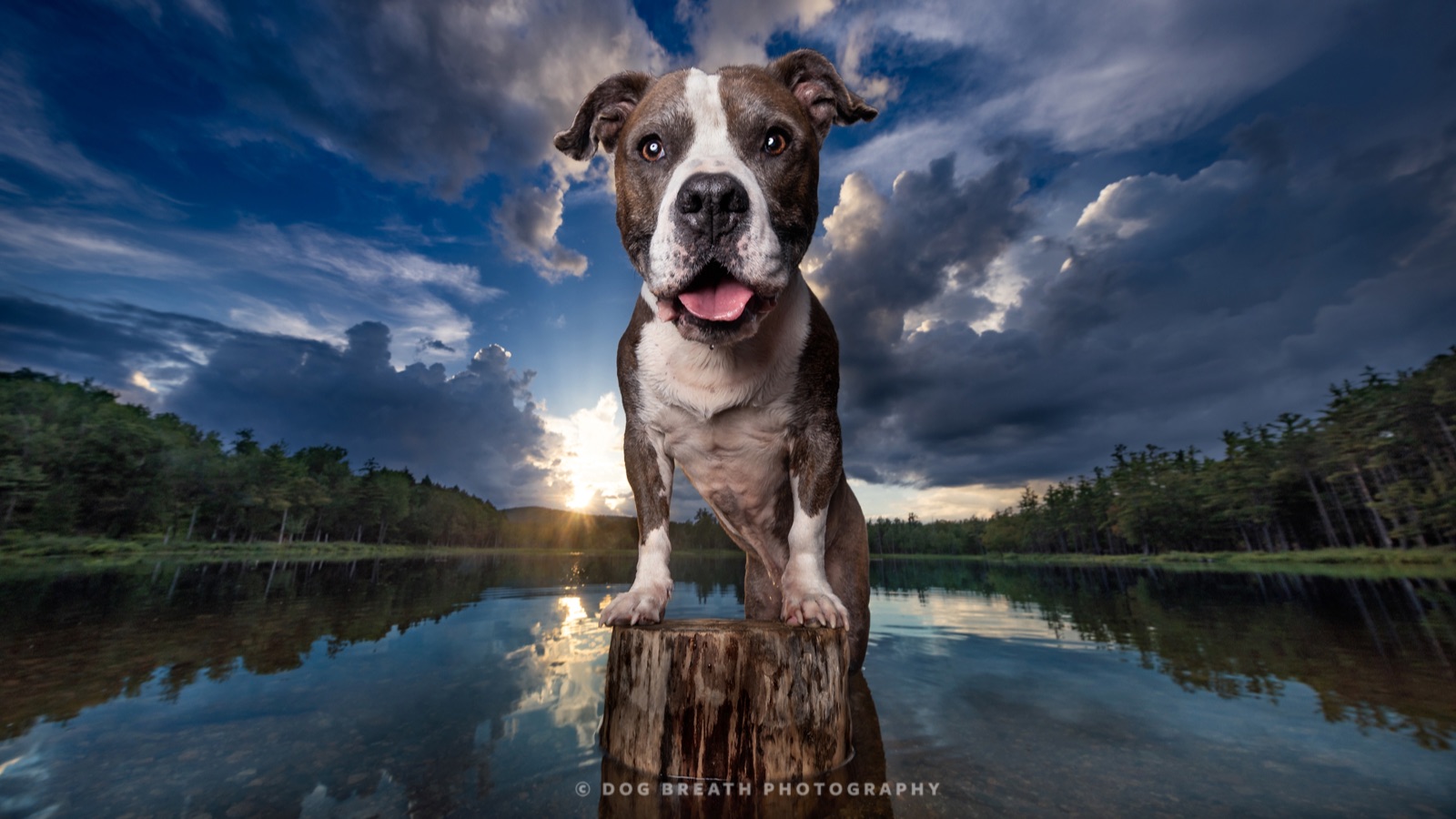
There are a lot of things I can teach you about Dog Photography. Use a wide open aperture for a shallow depth of field. Shoot during golden hour for the best natural light. Get low to make your dog model appear larger than life.
But…
There are other things.
Things that I truly believe are essential - not only for creating impactful, artful images of dogs - but for running a successful dog photography business. And, despite running an online education platform for dog photographers, I simply can not teach you these things.
Or can I?
Tldr: I can’t.
To be fair, maybe you don’t need to learn these things at all. Maybe in these categories you’re “All good”.
But maybe you’ve been floundering - artistically, or professionally - and you just don’t know why. If you fall into this latter category, I invite you to dive in. Make a little mental checklist, and have an honest conversation with yourself about the following items that I simply can not teach you.
#5. Innovation
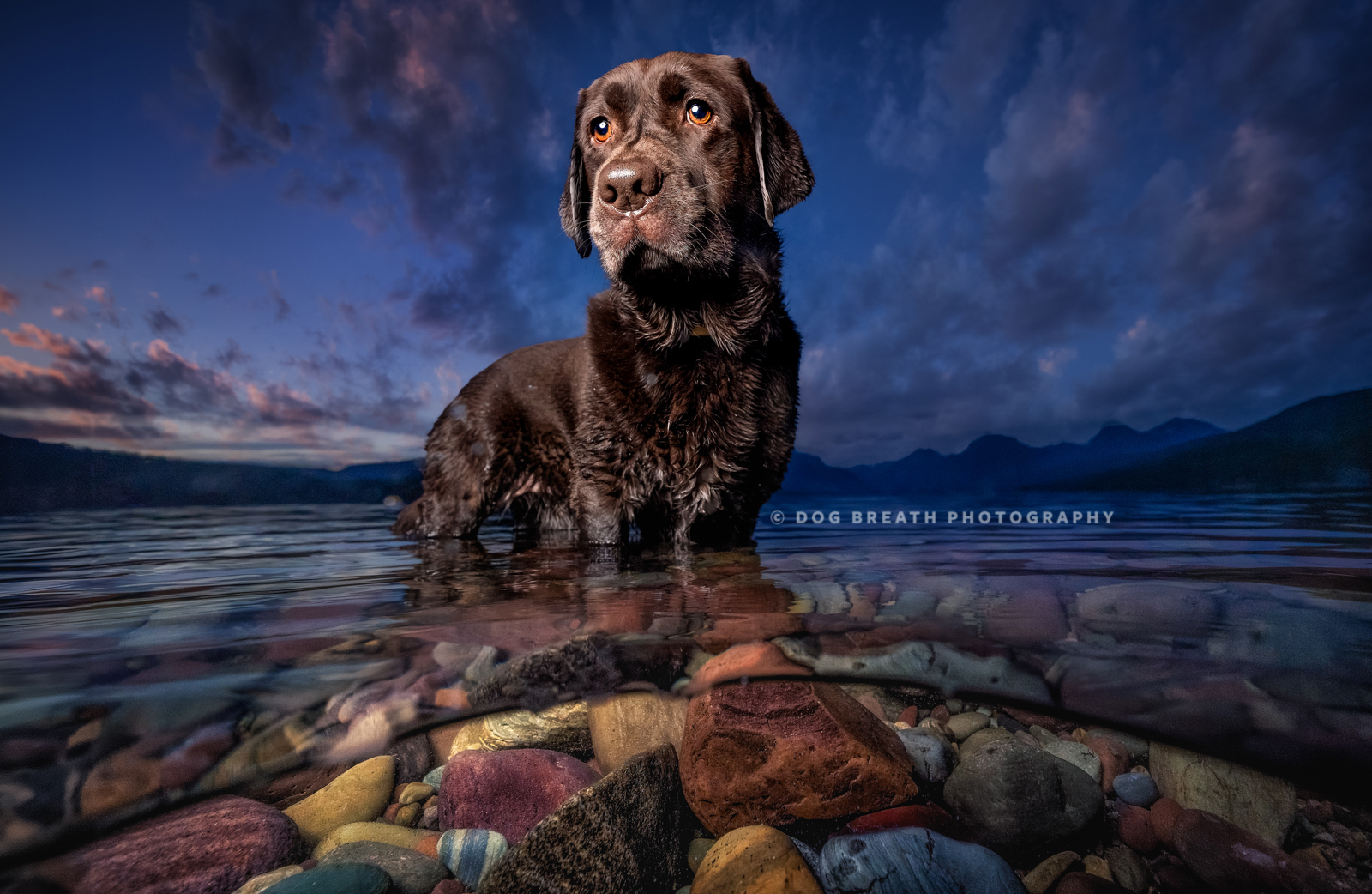
You’re an artist. Let’s just start with that. So, artist, are you also an innovator? Are you creating anything “new”? I’m not saying you have to reinvent the wheel - I’m simply asking, have you innovated anything about your own photography?
If the answer is no - don’t get down on yourself! Innovation can be (and I hate this term) a journey. If you’re just getting started, you’re going to need to imitate to help get you going. Just don’t forget, there’s a wide world out there to draw inspiration from. It’s easy to look around, be inspired by other dog photographers, and say “How do I do that?”
In all fairness, The Dog Breath Photo Society breaks down exactly how we create images of dogs, and then shows you how to do it. Now can we teach you to innovate?
The missing piece is usually this: Where else are you drawing inspiration from outside of dog photography, and how can you incorporate those outside inspirations into your dog portraits to create something truly innovative.
And don’t tell me it’s all been done before.
I’ll even give you one.
A few years back I was watching a documentary where the cinematographer had shot their interviews outdoors on location - but they had also placed a seamless backdrop behind their subject, and shot wide, showing you the entire scene (lighting and all). I liked seeing the “cluttered” look of the entire scene, while keeping the subject’s background perfectly polished and clean with the seamless paper. Shortly after, I was taking photos of my cousin for her senior portraits, and figured I’d give that look a try. It’s a little unconventional for a senior portrait, but I figured, after I got the “safe” shots, I’d try a few that were more “for me”.
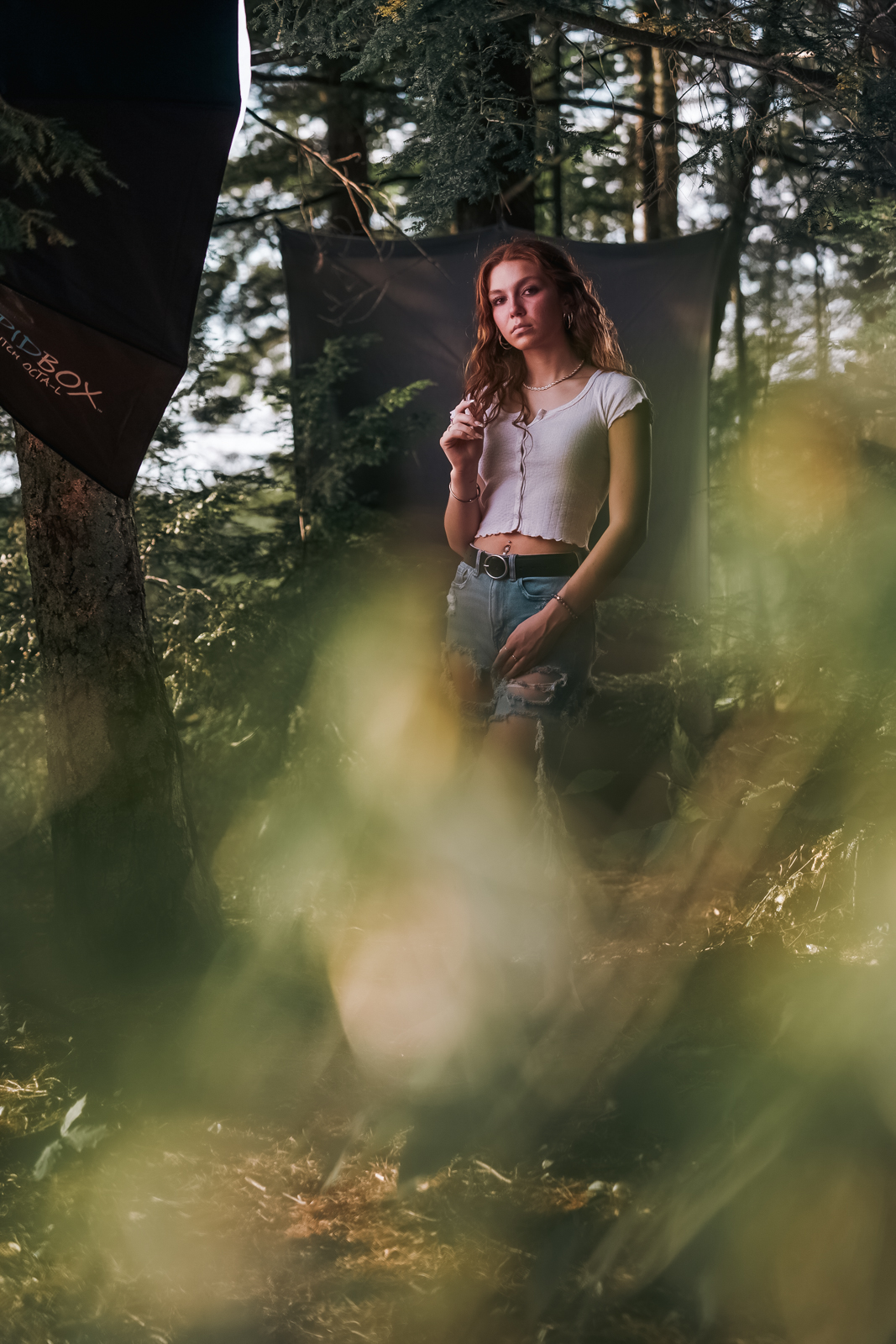
That’s a long way of saying this: I haven’t seen this look in dog photography. Yet.
So… go do it! Somebody - quick!
If I’m wrong, and somebody has already done this look - just go back to the drawing board. Wherever you look for inspiration - go there, bring it back to your own medium, mix it in with your other inspirations, and innovate.
If you’re not interested in innovating - or even attempting to innovate - here is a link to the Fedex/Kinko’s career site - where you can make copying a full time occupation.
#4 Personality
Somebody had to say it. I can’t teach you to be personable. I can’t teach you to be likable. Maybe just saying that makes me unlikeable - I don’t know! What I do know is that while we all love dogs (and if you don’t - what the actual heck are you doing here?), Dog Photography is a people business. The way you interact with clients before, during, and after a shoot can make or break your entire business. It’s those clients that will refer you to other clients - or, won’t.
Your photos may be good - excellent even - but if you hard sell your clients on a particular package before the shoot, then bark (pun definitely intended) orders at them during the shoot, and then nickel and dime them at every possible opportunity after the shoot…they will remember, and they will not come back.
So, no matter what type of day you’re having - when it comes to interacting with your clients, put on your big kid pants and bring that positive energy.
Beyond your customer experience, bring some personality to your website, social media presence, and email communications. Please. Do this.
Here’s a hypothetical for you. Let’s say you’re trying to stand apart from your local competition, but your pricing is the same, and the quality and style of your work is more or less the same. Why would a client choose you over your competition. The answer is: people want to work with people they want to work with.
If you seem fun, or cool, or passionate, or quirky, or artsy, and your competition has the personality of…let’s say… a stapler… Well… I know who I’d work with. If I’m your client, I want to be able to relate to you, and not just about our shared love of dogs. If you play guitar, or paint, or do olympic level curling - show me. If I have an “in” it’s much easier to talk to you, which means it’s much easier to book you.
Oh, and don’t use Chatgpt for this. I can tell.
#3 Consistency
The key to consistency is your ability to recognize it. Not only do you have to be able to spot consistency across a number of different mediums, but you also need to be able to spot inconsistency. I can’t teach you to have a discerning eye for this stuff, but I can point out it’s importance. So, where should you be on the lookout for consistency?
Branding.
I’m what doctors refer to as an “Actual Idiot” when it comes to fonts, so I won’t preach on a topic I know very little about - other than to say that keeping your fonts consistent is massively important for your brand image.
Colors on the other hand. Colors I can talk about. So, are your brand colors consistent across your website, social media, customer guides, email signatures, physically printed signage or booklets, trade booth materials, etc? Please tell me they are. Your branding can either make you look like a true professional, or like a child who has accidentally stumbled into a bunch of paint cans.
If you have a small list of hex codes for your brand colors (usually no more than 5), and keep those codes in an easily accessible spot (I use Apple’s Notes app), you can copy and paste the appropriate codes whenever you need a color. These details, and the consistency of these details matter. The background of this blog post is not pure black, it’s #1A1819, and the text is not pure white, it’s #F3F2F3.
Imagery.
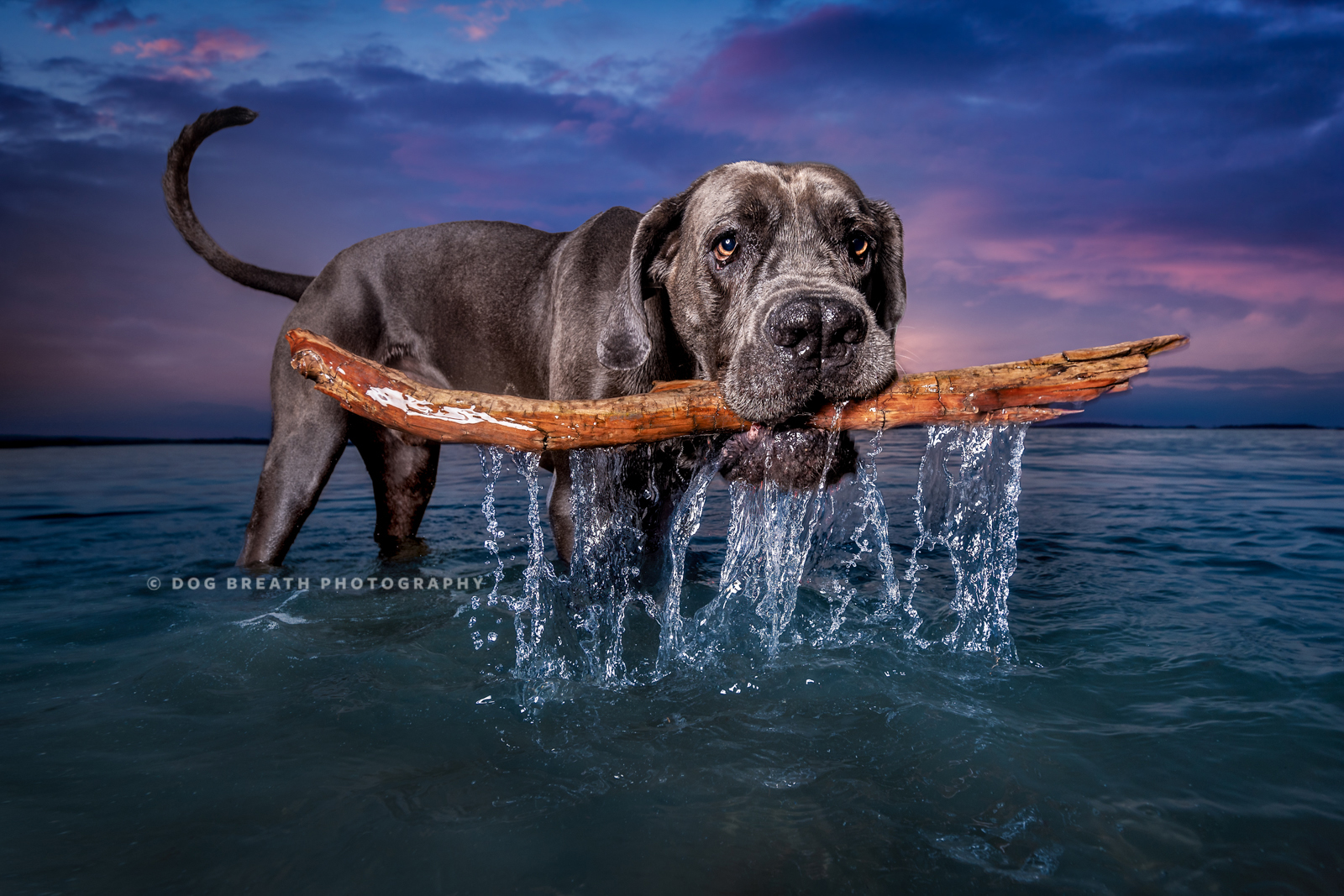
You want to talk about building and developing a style? It’s all about consistency. If you try something artistically, and you want it to become “your style” - you need to do it. A lot. Over and over again. Go to www.dogbreathphoto.com and scroll quickly through Kaylee Greer’s images. Her style is immediately obvious, and its repeated over and over again throughout her portfolio. What stops the images from looking repetitive is changing up the subject matter, and the background. Everything else, from a photography technique standpoint, is extremely consistent.
Voice.
One of the fun things no one tells you when you start off your career photographing dogs is how much writing you have to do. Forget about blogging, there’s your website copy, your social media presence, and the countless… countless emails you need to send. It’s important that your voice is consistent throughout these many forms of communication. You want people to recognize you behind the words, because they respond to your personality and your brand just as much as your photography.
Again, don’t use ChatGPT for this. It has it’s own extremely distinct voice. And boy do I love a good em dash - but calm down with those already.
#2 Work Ethic
I can’t make you work hard. I just can’t. I barely want to work hard myself, so how can I make you do it?
With that out there, there is something to be said about photos that happen during a moment of inconvenient inspiration. I’ve been on enough Dog Breath photo shoots by now to know there’s no such thing as “one last photo.”
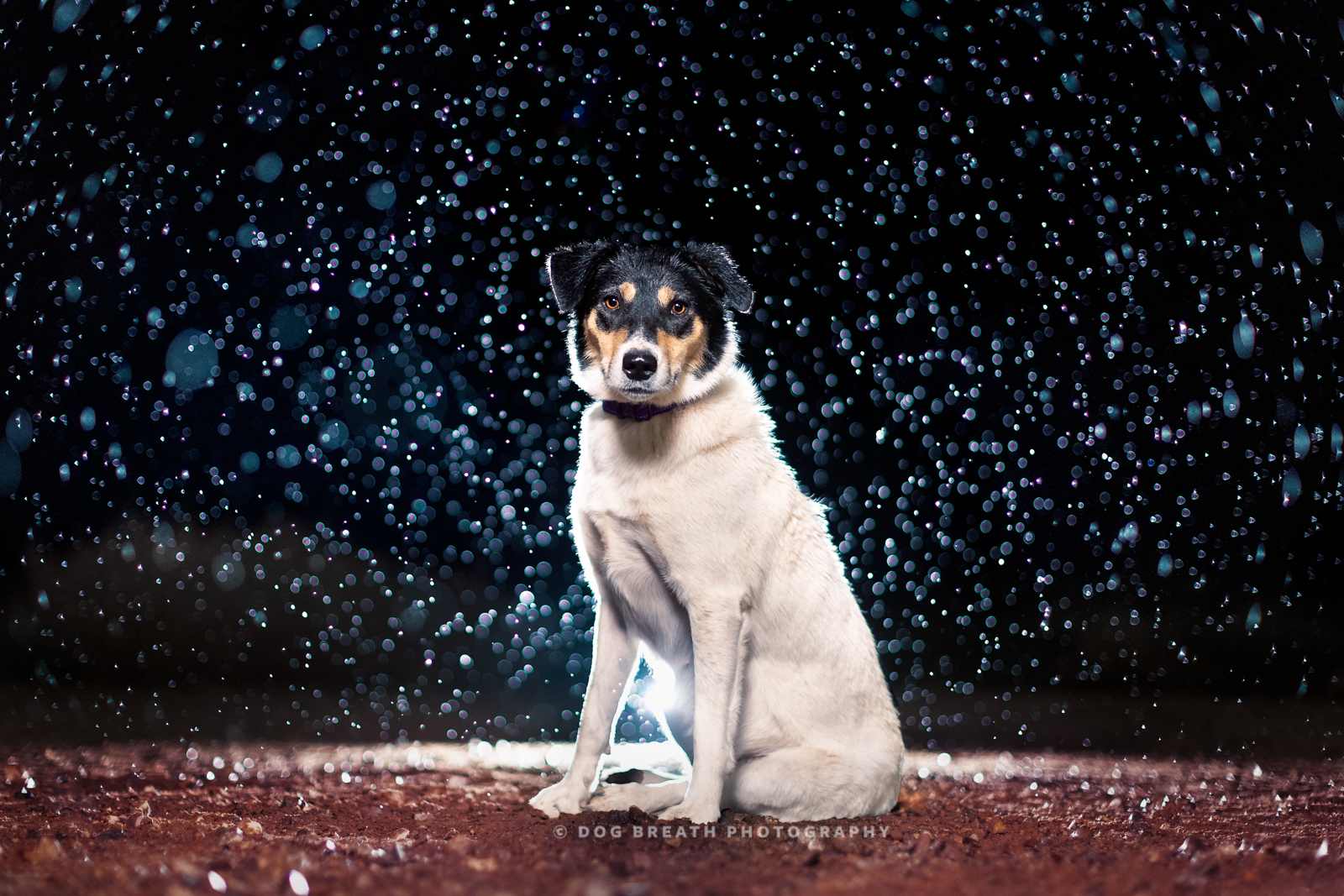
We may be 4 hours into a shoot - having hiked a mountain carrying tons of photography gear - having dragged a heavy wagon loaded with equipment through deep sand - having sprinted up and down a trail with a dog to get their action shots - but if we’ve finally put the camera away, given everyone a congratulatory high five, and are just about to hop in our cars to leave, it should begin to rain…..
We’re shooting the rain.
As much as I would love to be back in the car where it’s warm and quiet and I can listen to a nice podcast and turn off my brain… If inspiration strikes in that moment, that’s where the magic is. Those are always the photos that are unexpected, special, and often unforgettable. They’re not the easy photos, but they’re the photos that set you apart from other photographers who are “off the clock”.
And don’t think for a moment that your clients don’t notice your hard work. They’re in it with you - and they’re often willing to put in that hard work too if they can sense your excitement in what you’re creating.
#1 Taste
Have you ever visited someone’s house and thought “Now that’s a choice.” From the sickly color of the paint on the wall, to the outlandish pattern on the rug, to the questionable artwork festooning the walls. You just Can’t. Teach. Taste.
When it comes to your own photography, can you recognize if your own level of taste is in line with your clients’? Are you a trend setter - always one step ahead of the curve? Or are you stuck in the past - wondering why you’re getting zero bookings?
I’ll give you an example - albeit, a heavy-handed one. Let’s talk about the use of spot color. For those born during this current millennia - spot color was a trend of having a black and white photo, but keeping part of the photo in color for emphasis. This became very popular after the 1998 film Pleasantville used the effect to great success.
However.
A lot has changed since 1998, including, hopefully, your photography.
This is all, of course, subjective. Personally, I don’t love 5x4 crops. Maybe you do. Are either of us right or wrong? No, of course not. If you truly love something about your photography that others don’t seem to jive with - keep it. If it makes your heart sing, I think that’s great.
On the other hand - if your goal is to reach as many potential clients as possible - I do think it’s important to recognize if your taste level meets that of the masses.
If you’re simply not sure how to tell - ask for feedback. And not from your aunt - she has to say she likes your puppy pictures. Ask a photographer who’s opinion you respect. Ask a photography community who you’re comfortable being vulnerable with. We have a damn good one here at The Dog Breath Photo Society (hard sell). And most importantly, don’t be afraid of receiving that feedback, and then implementing it. We’re all growing together.
The second you stop growing is the second you start believing that spot color is still cool.
Ready to Elevate Your Dog Photography?
If you’re ready to move beyond technically sound photos and start creating impactful images, explore the Dog Breath Photo Society — our full dog photography education platform designed to help photographers create the Best Dog Photos on Earth.
Stay In The Know
Dog-Hair-Covered Secrets and Society News - Delivered First to Those on This List!
We will never sell your information, for any reason.
Author